Starting Out
“Tales of a Farm” was started back in October of 2010, but at the time was nothing more than a final project for my 11 Grade English class. The assignment was to write a script for a video we wanted to make, film it, and then present the video to the class. We were given approximately 3 weeks to do the assignment before the end of the school year. Cameras and editing software were provided by the school, but I opted to use my own since I'd been into video making since late 2006. In addition to that, I felt that using my own filming equipment and editing software would help to further move production along on a project I knew was going to be quite elaborate and complex to do.
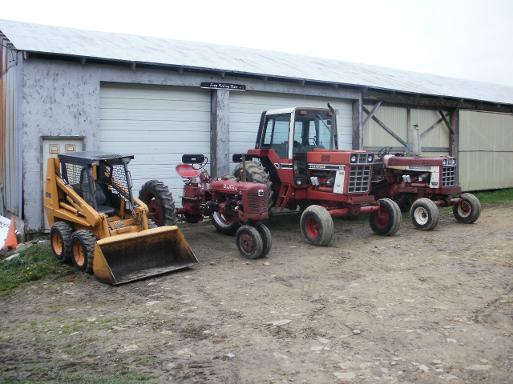
When it came to deciding what my video would be about, I knew I wanted to do something with live action models. I chose to write a story set on present day Thompson Farms and center it around the machines that work there. Inspiration for this came from the British television series "Tugs" which was created by Robert D. Cardona and David Mitton back in 1989. Since I was into collecting 1:64 scale farm toys, I had quite a bit of props that I could use, but no set to film anything on. This is where I was faced with the dilemma of finding materials to build a set in a short amount of time and on a budget.
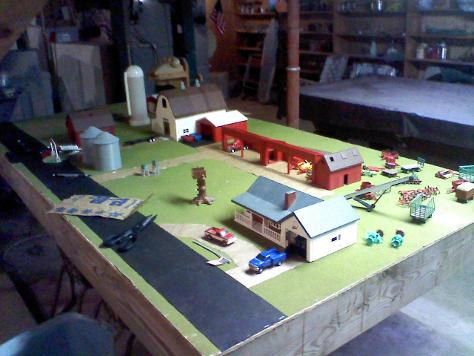
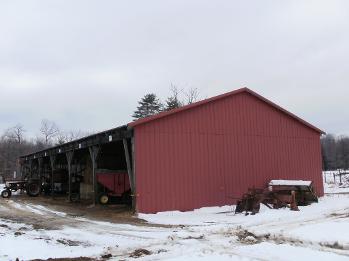
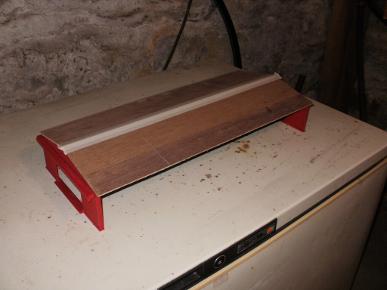
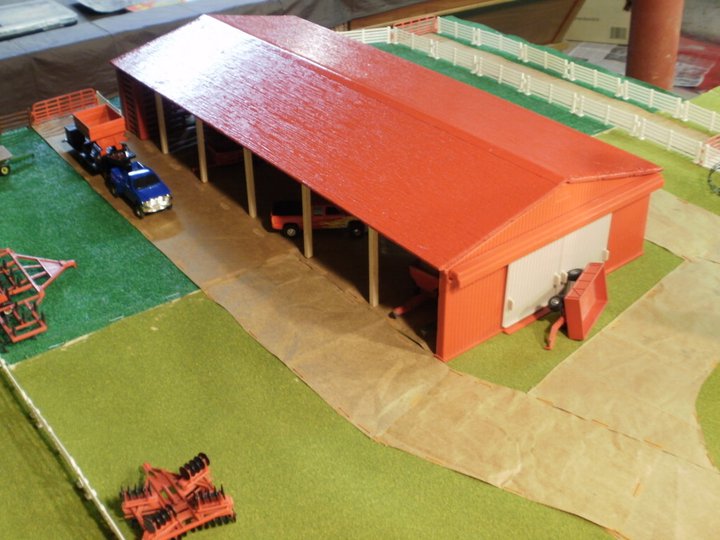
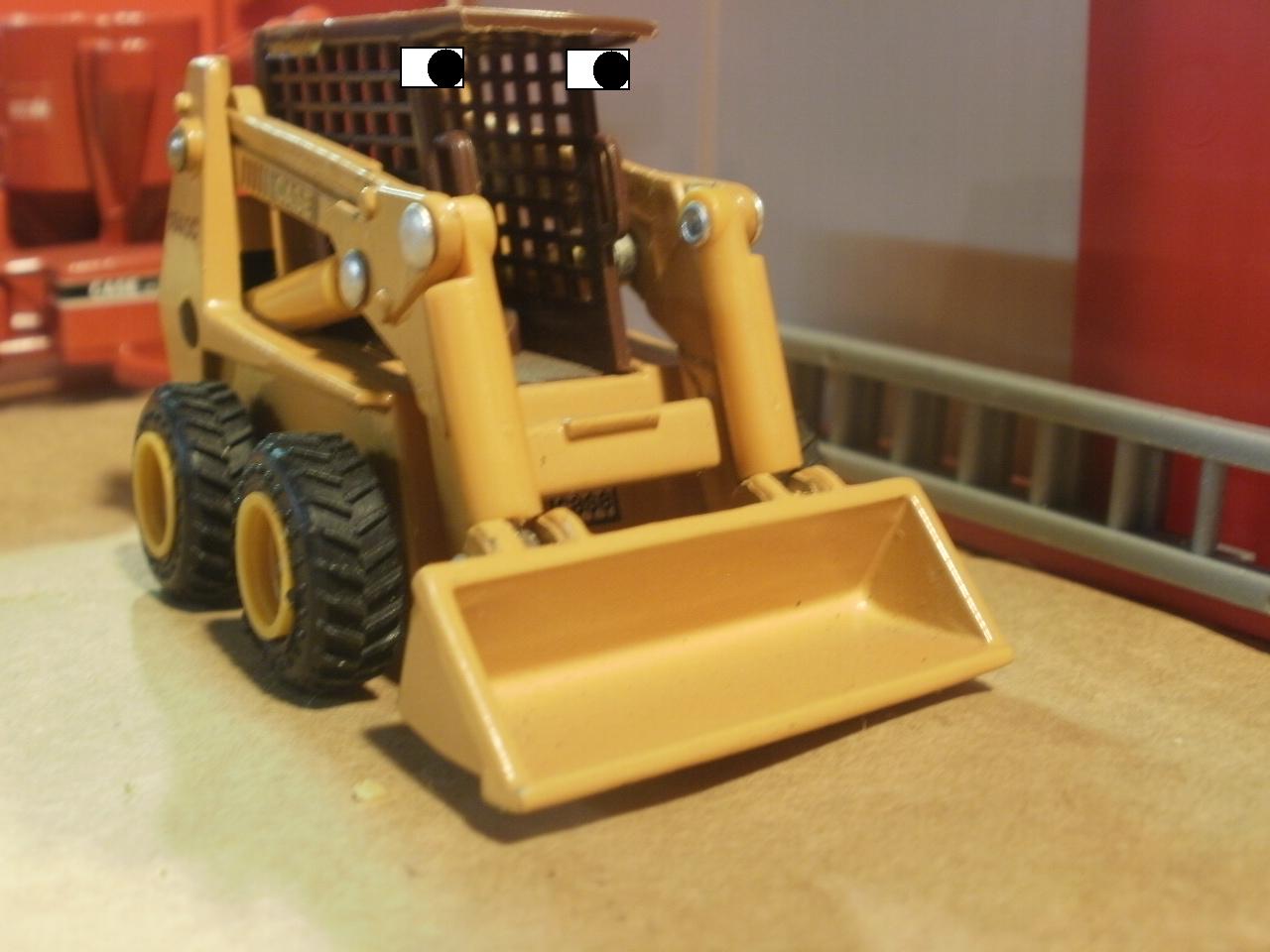
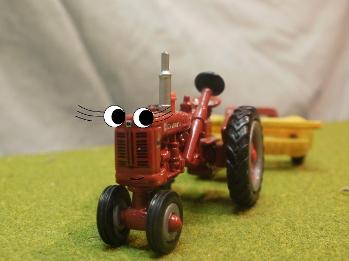
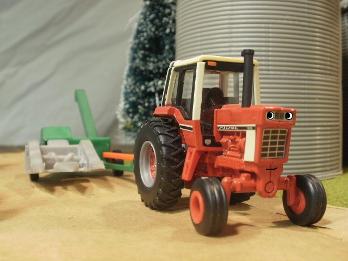
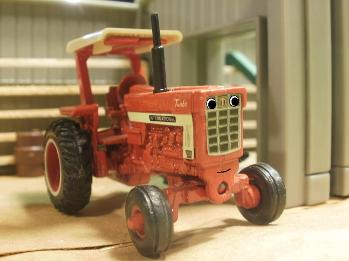
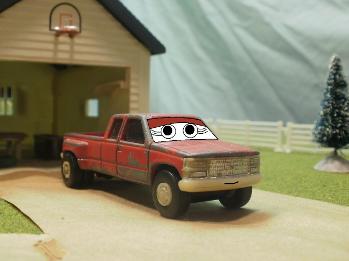
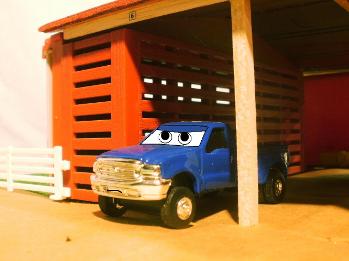
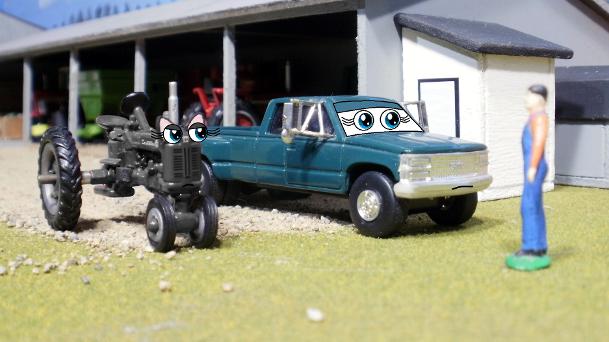
When it finally came time to make the video, I filmed everything over the course of 1 week. During this time I also had friends busy recording lines for the characters. Several of these people had worked with me on similar projects in the past, which is why I asked for their help with voices. Editing the footage took time as the faces on the characters had to be done one at a time in MS Paint. Although this may not have been the best option, I still think the results were passable.
Editing all the footage together was a headache as I used Windows Movie Maker 2.6 to do so. I will say right now that this is the worst possible program you can use to edit videos. Yes the layout is simple and easy to learn, but it's too basic. You can only add 1 audio track to a project, which lead to me publishing the video several times in order to add multiple audio tracks just for one scene. WMM has also had numerous other problems which is why I abandoned the program in later years.
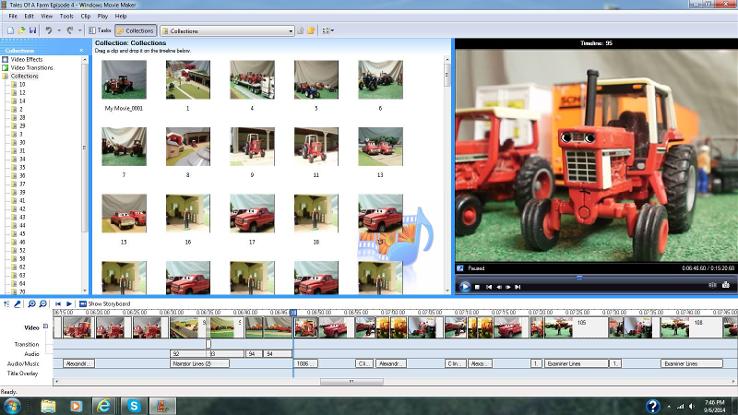
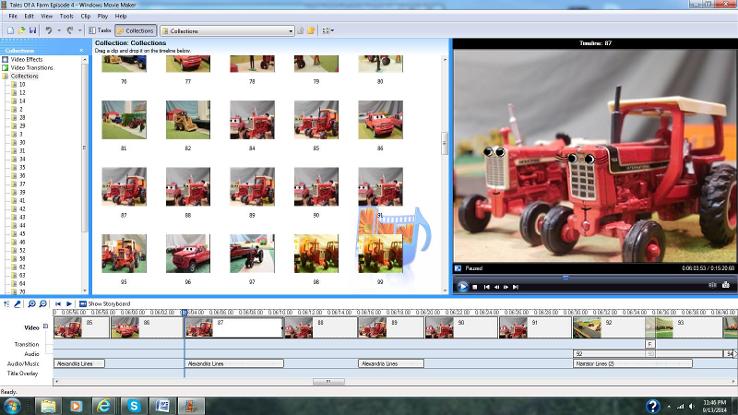
(Editing of Episode 4 - Quarantine)
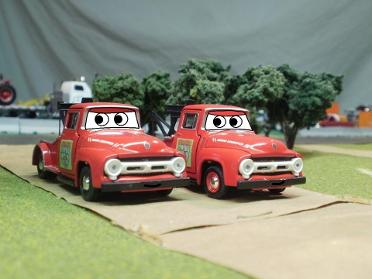
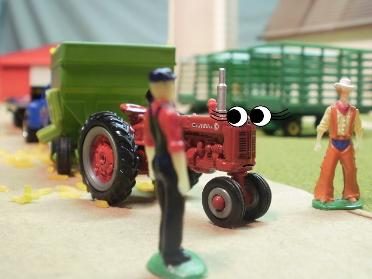
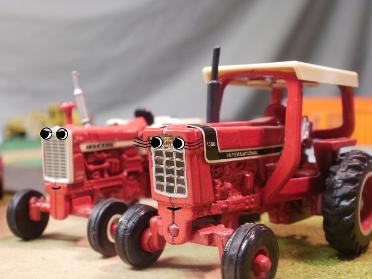
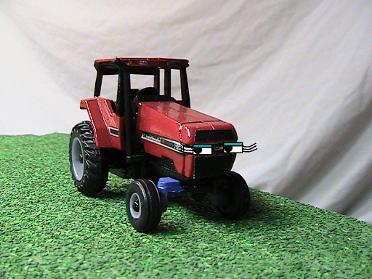
Tracking down models has been a bit of a challenge as not all the models I need exist in the 1:64 scale line. Some have to be custom built from exiting models, while others just require new decals. Aside from models however, I've also made an effort to replicate proper 1:64 scale buildings of those on the real farm, and I have to admit that they look far better than what I was using originally. A permanent set for the series is yet to be built, so at this time I am still using temporary sets which are heavily altered for various scenes.
When it came to animation for the series, the only major change I wanted to make was to the characters faces. I wanted to give the characters colored eyes, but my first couple attempts just didn't look right. A friend of mine suggested trying out Anime style eyes, and needless to say I was quite pleased with the results. Some people have been very critical over this however, stating that the Anime eyes look stupid and that I should go back to the original eyes the characters had. Unfortunately, as with anything you can't please everyone. I personally like this change as in my opinion it gives the characters more character.
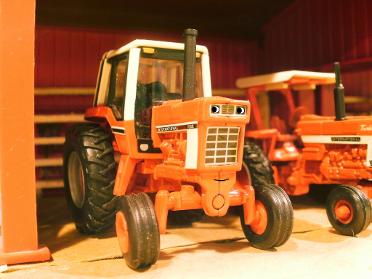
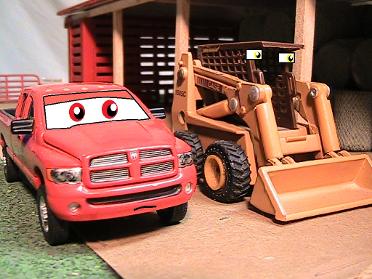
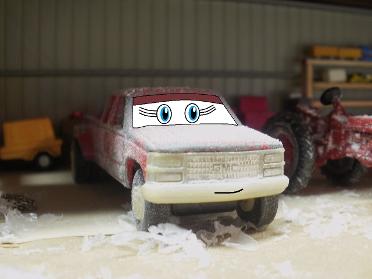
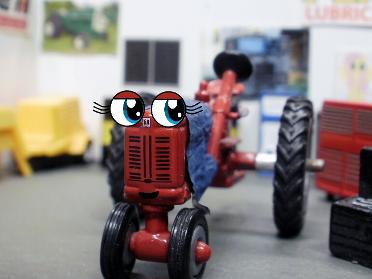
The last change I wanted to make was some of the characters names. Because characters such as 1086 and 1466 were no longer tractors of which their names (or numbers if you prefer) were based on, the names had to be changed. 1466 became known as Cyrus, and 1086's name is still yet to be decided. There was also the discussion to change Scoop's name as well, but in the end it was decided to leave it as is. Despite the change of models and names, all the characters still remain the same as they were before in terms of personality.
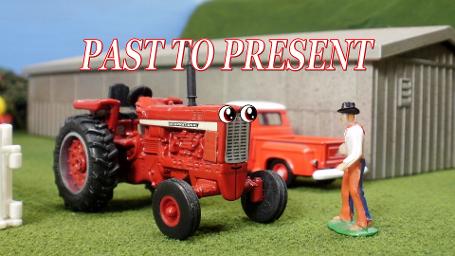
In 2018, plans to bring the series back were underway, and starting in December of that year I began writing the script for an Episode called "Past to Present". The story centered around a 1971 International 756 tractor named Clint who after working on a farm for over a decade, was replaced by newer tractors and sold for scrap by his original owner. The episode took almost 9 months to make and on September 7, 2019 finally aired on YouTube. The success of the series' return prompted a Halloween Special to be released later in the year. Plans for other TOAF videos and episodes are in the works at this time.
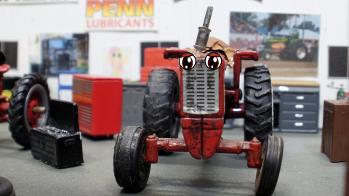
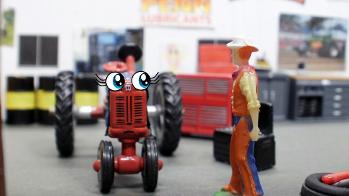
It's hard to believe that almost a decade has gone by since this series was created. Despite a negative review from my unappreciative English teacher, the series has proved its popularity over the years, and continues to do so. Today Tales of a Farm airs again on YouTube on the Plow Bender Studios channel. Although some changes have been made over the years, there's nothing wrong with the series improving on what it was originally. It's something I myself am very proud of and consider one of my better works.
-Corrie Thompson
Photos are copyright© Plow Bender Studios 2020